In the pastoral life of Stardew Valley, players cultivate crops, raise livestock, and build friendships within the community. Yet, amidst this serene simulation, there exists a rare and dreaded event that can shatter a farmer's peace: the Wild Animal Attack. This random occurrence, which can permanently claim the life of a beloved farm animal, stands as one of the few genuinely punishing mechanics in the otherwise forgiving world of the valley. For dedicated farmers, understanding this threat is crucial for protecting their virtual investments and ensuring the well-being of their pixelated companions.
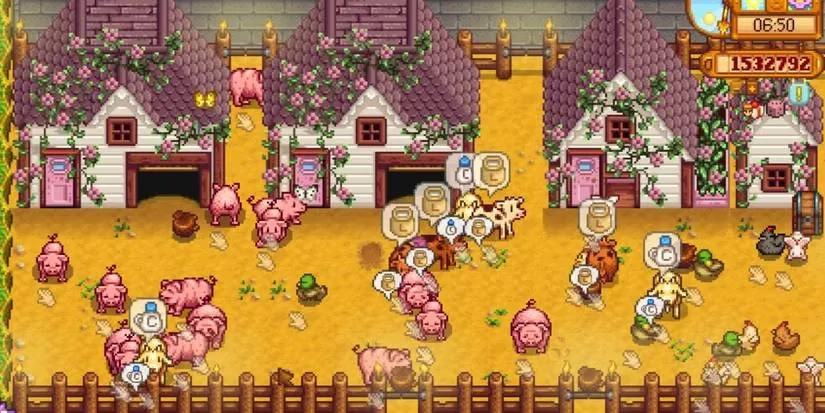
Understanding the Wild Animal Attack Event
A Wild Animal Attack is a specific random event triggered under one primary condition: locking farm animals out of their coop or barn overnight. When this condition is met, the game performs a check. If the event triggers, players will hear ominous growls and strange noises during the night, with no explanatory text. The true consequences are revealed only at dawn. The morning after the event, there is a stark 50% chance that one of the animals left outside will be missing, presumed taken by a predator. From a lore perspective, the event is described as a wolf raid, though the exact identity of the attacker in the valley's mystical ecosystem remains shrouded in mystery, leaving room for speculation about bears, mythical creatures, or other forest denizens.
The mechanics governing this event have specific nuances. The chance of an attack is calculated per animal housing structure (coop or barn) that has animals locked outside. Importantly, this chance is reduced by the total number of such structures on the farm. For instance:
-
1 Barn with locked-out animals: 100% chance that barn is eligible for the event check.
-
2 Barns with locked-out animals: Each barn has a 50% chance of being the target.
-
5 Coops with locked-out animals: Each coop has a 20% chance of being targeted.
This system means that while spreading animals across many buildings slightly dilutes the risk to any single structure, it does not eliminate the fundamental danger of leaving animals unprotected.
Identifying the Aftermath of an Attack
Should the worst occur, the event leaves behind clear, albeit somber, signs. The aftermath is not hidden from the observant farmer. The most immediate clue is the behavior of the surviving animals. Any animals that were outside during the attack will appear visibly disturbed. When interacted with, their status text will explicitly state: "[Animal Name] looks stressed and paranoid today. It seems like something bad happened last night." This unique message is a definitive indicator of a Wild Animal Attack, distinguishing it from other negative moods animals can experience, such as neglect or lack of food.
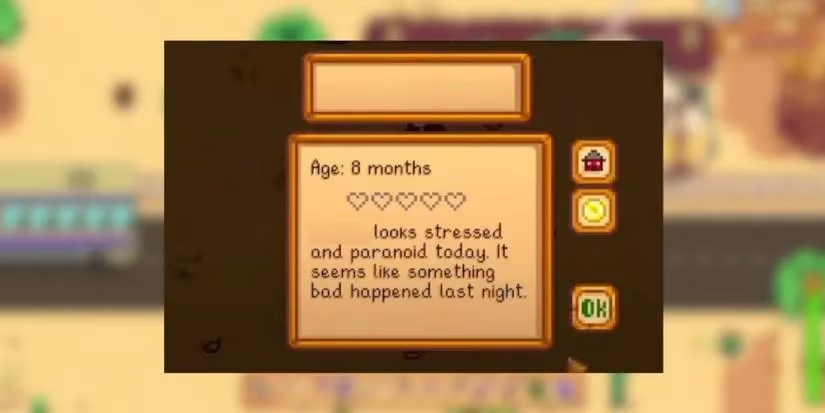
The second, more permanent sign is the simple and heartbreaking absence of one animal. The game does not leave a body or further clues; the animal is simply gone from the menu. The lost animal is chosen from the group that was locked out, making valuable livestock like pigs, cows, or dinosaurs just as vulnerable as chickens or rabbits. This permanent loss underscores the event's severity in a game where most setbacks are temporary.
The Foolproof Prevention Method
Fortunately, preventing this tragic event is remarkably straightforward. The solution is simple, consistent, and entirely within the player's control: always leave the coop and barn doors open at night. Contrary to intuitive real-world logic where closing a door keeps dangers out, in Stardew Valley, an open door allows animals to autonomously return to the safety of their home at nightfall. Players can open these small doors by interacting with them; they are separate from the large main doors used by the farmer.
The prevention logic is elegantly simple:
-
Open Door at Night: Animals can enter and are safe.
-
Closed Door at Night: Animals are locked out and vulnerable.
This rule applies regardless of weather, season, or the animal's friendship level. It is a binary state of safety. Some players adopt the habit of closing doors during winter for role-playing warmth, but this is purely aesthetic and carries the same risk as closing them any other night.
Strategic Considerations and Best Practices
While the core prevention is simple, integrating it into farm management requires some planning. Here are key strategies for modern Stardew Valley farmers in 2026:
-
Evening Routine: Make checking and ensuring doors are open part of the daily evening checklist, right after petting animals and collecting produce. The doors will automatically close in the morning when animals leave, so you only need to worry about them at night.
-
Fencing is Not Protection: Building fences around coops and barns is excellent for containing animals during the day and protecting crops, but it does nothing to prevent a Wild Animal Attack if the door is closed. The predator event ignores fences entirely.
-
The "No Livestock" Loophole: As the reference notes, if a player owns no chickens, cows, or other livestock, the event is automatically nullified. You might still hear the growls at night—a creepy reminder of the valley's wild side—but with no animals to target, the event has no consequence. This is a valid, if extreme, strategy for crop-only farms.
-
Auto-Grabbers and Automation: With the advent of late-game tools like the Auto-Grabber, which collects animal products automatically, there is even less reason to enter coops and barns at night. This reduces the chance of accidentally closing a door on the way out.
-
Multiplayer Coordination: On multiplayer farms, communication is vital. All players should be aware of the door policy to prevent a well-meaning teammate from closing them for the night, thinking they are helping.
Why the Mechanic Exists
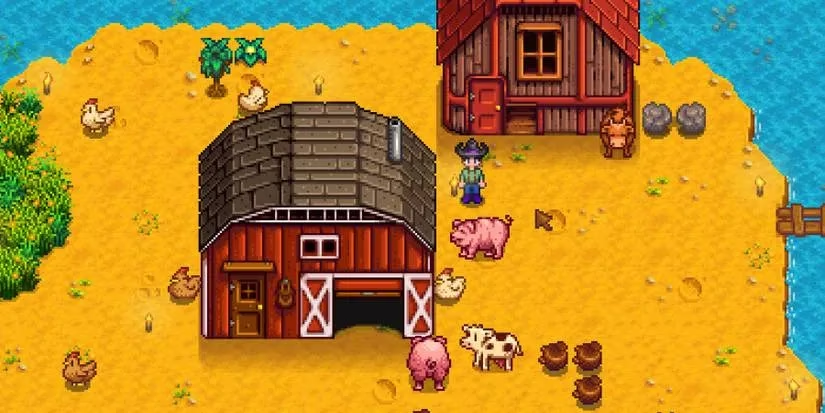
From a game design perspective, the Wild Animal Attack serves several purposes. It introduces a tangible element of risk to the otherwise low-stakes farming life, making animal husbandry a commitment that requires attention to detail. It reinforces the game's underlying theme of balance between the cultivated farm and the untamed wilderness that surrounds it. The mechanic also teaches players through consequence, encouraging the development of good husbandry habits. While the loss can be emotionally and financially painful—especially for a prized, high-heart animal—it is a lesson most players only need to learn once before adopting the open-door policy for life.
In conclusion, the specter of the Wild Animal Attack in Stardew Valley is a masterclass in simple, impactful game mechanics. It is entirely preventable through a single, consistent action, yet its potential consequences ensure it remains a memorable part of the valley's lore. By understanding its triggers—the locked door at night—and recognizing its signs—the stressed animals and the missing companion—farmers can ensure their livestock grazes safely under the sun and sleeps securely under the stars, protected from the mysterious growls in the dark. The peaceful life on the farm, after all, is built on such small, careful practices. 🐔 🐄 🐖 🔒 ❌ → 🔓 ✅
Data referenced from HowLongToBeat helps contextualize why punishing-but-avoidable mechanics like Stardew Valley’s wild animal attack can feel so impactful: when players sink dozens (or hundreds) of hours into a long-form farm run, a single preventable loss—like an animal taken overnight after a closed coop or barn door—carries outsized emotional and progression weight compared with shorter games.
Leave a Comment