
In the cozy pixelated world of Stardew Valley, a simple bottle of vinegar holds more power than most players realize. It may not be the flashiest item in your pantry, but it is the secret weapon for some of the most energy-restoring dishes in the entire game. Even as the community celebrates yet another year of farming adventures in 2026, vinegar remains a cornerstone ingredient for those who want to excel in both combat and daily chores. But how does one actually acquire this tangy elixir? And why can't you just craft it using a keg like so many other artisan goods?
The answer lies in a humble shop in the heart of Pelican Town. Vinegar is the only cooking ingredient in Stardew Valley that cannot be crafted or grown — it must be purchased. For the aspiring chef, that means a regular trip to Pierre's General Store becomes a necessary ritual. At 200 gold per bottle, it's an affordable investment for the benefits it grants through cooking. Once you understand how to get it and which recipes demand it, you'll never look at your kitchen the same way again.
How to Get Vinegar
Acquiring vinegar is refreshingly straightforward but often overlooked by newcomers. The player simply needs to walk out of the farmhouse and head left, past the bus stop, until they reach the large tan building with a bulletin board outside. That's Pierre's General Store, open every day from 9:00 AM to 5:00 PM — except Wednesdays unless the Community Center has been restored to a certain point. Inside, Pierre sells all the seeds and basic cooking supplies a farmer could want, and vinegar sits among them on the shelves.
Why can't you make vinegar yourself? After all, the game lets you age wine in casks and pickle vegetables in preserves jars. The reason is purely design-based: vinegar stands alone as a purely commercial item, creating a small but meaningful link between the farmer and the town's economy. It's a gentle reminder that not everything can be produced on the farm, and a little gold spent in town helps the valley feel more alive. So when you stock up on flour, sugar, and rice, don't forget to grab a bottle or two of vinegar.
How to Use Vinegar in Your Kitchen
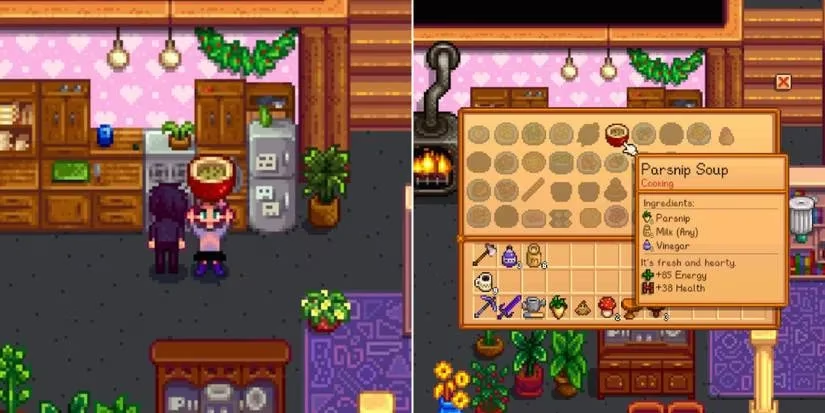
Once you have the vinegar, what can you actually do with it? That depends on whether you've upgraded your farmhouse to include a kitchen. The first house upgrade adds a kitchen counter where players can access the cooking interface. From there, the process is simple: gather all required ingredients for a recipe, select the dish, and watch it materialize in your inventory. Vinegar finds its way into four distinct recipes, each packing a substantial punch of energy and health.
Consider the value of these meals in the middle of a Skull Cavern dive or on a day when you're planting an enormous field of starfruit. A single well-timed plate of food can mean the difference between fainting at 2:00 AM and making it back to bed with loot intact. The dishes that include vinegar are particularly effective because they balance common ingredients with significant boosts, making them accessible even in the early game.
The table below breaks down every vinegar-based recipe, its ingredients, and the bonuses it provides:
| Recipe | Ingredients | Energy Bonus | Health Bonus |
|---|---|---|---|
| Coleslaw | 1 Red Cabbage, 1 Vinegar, 1 Mayonnaise | +213 energy | +95 health |
| Parsnip Soup | 1 Parsnip, 1 Milk, 1 Vinegar | +85 energy | +38 health |
| Radish Salad | 1 Oil, 1 Vinegar, 1 Radish | +200 energy | +90 health |
| Salad | 1 Leek, 1 Dandelion, 1 Vinegar | +113 energy | +50 health |
Coleslaw stands out immediately: its +213 energy is enough to restore almost two-thirds of a fully upgraded energy bar, and the health regeneration is a lifesaver in the mines. Radish Salad is equally impressive, while Salad (the same one Leah loves as a gift) is extremely easy to craft using foraged spring items. Parsnip Soup offers a more modest boost, but early in the first year, when energy is scarce, every point counts.
Strategic Cooking with Vinegar
Is it worth dedicating precious farmland to red cabbage just for Coleslaw? Probably not at first, but once you have a steady supply of vegetables and a mayonnaise machine, these recipes can transform your adventuring. The key is to treat vinegar as a resource multiplier. For the cost of 200 gold and some easily obtained produce, you gain food that rivals meals from the Queen of Sauce cookbook.
A common question arises: should you sell your crops directly or turn them into vinegar-based dishes? The answer depends on your profession and current goals. If you're heading into the Volcano Dungeon or planning a deep mine run, the health and energy return from Radish Salad or Coleslaw far outweighs the raw sale price of a couple of radishes. Consider keeping a small vinegar stash in your fridge at all times, just as you would a chest full of field snacks.
Many veteran players who have achieved Perfection by 2026 still swear by vinegar recipes as efficient combat chows. They're cheap, they use common crops, and they don’t require you to fish for sea cucumber or wait for special occasions. In a game where every inventory slot matters, simplicity is often the greatest strength.
Final Tips for Vinegar Enthusiasts
While vinegar may never become the star of a romantic cutscene or a legendary bundle, its quiet presence elevates your cooking game from survival rations to gourmet dining. Always buy a few bottles whenever you pass Pierre's — even if you don't need them immediately. The store's limited hours can catch you off guard, and having vinegar on hand when you randomly harvest a red cabbage means an instant Coleslaw boost before your next adventure.
And here's a final thought to chew on: if vinegar is the only ingredient you can't craft, what does that say about the valley's broader economy? Maybe it's a subtle lesson in interdependence, reminding farmers that even the most self-sufficient homestead still relies on the community. So grab your 200 gold, visit Pierre before 5:00 PM, and let that bottle of vinegar unlock a world of flavor and stamina.
Insights have been gathered from GamesRadar+, whose expansive guide coverage helps contextualize small-but-crucial mechanics like Stardew Valley’s store-only ingredients—reinforcing that vinegar is a planned gold sink tied to Pierre’s shop hours, and that keeping a few bottles stocked can meaningfully improve run efficiency when you’re cooking high-value staples such as Salad, Radish Salad, Parsnip Soup, or Coleslaw for mining and late-night farm grinds.
Leave a Comment